Seeing captive.apple.com in Safari history or inside a WiFi sign-in window can look like an unexpected redirect. It is not an app, and it is not a website you manually browse. It is an Apple-owned domain used by iOS to test whether a WiFi network has real internet access or is blocking access behind a login page.
This behavior is most noticeable on public networks because they often require a sign-in step before the internet works. iOS runs a quick connectivity check the moment you join the network. If that check is intercepted, iOS opens the network’s login page so you can complete the sign-in.
What Is a Captive Portal and How iOS Handles It
A captive portal is the login screen you see on hotel, airport, café, and guest WiFi networks. The network is technically connected, but it does not allow normal internet traffic until you accept terms or enter credentials. Without that login step, apps act like the internet is broken even though WiFi shows as connected.
iOS uses captive.apple.com as part of its captive portal detection. When you join a WiFi network, the system requests a small test page, commonly hotspot-detect.html, which returns a minimal page containing the word “Success.” If that expected response is returned normally, iOS treats the network as online and background services start working.
If the network intercepts that request and replies with a login page or a redirect, iOS treats the connection as captive. At that point, iOS brings up the sign-in interface for the network. The domain showing up is the detection step being visible, not a separate browsing session.
What Is Captive Network Assistant on iPhone
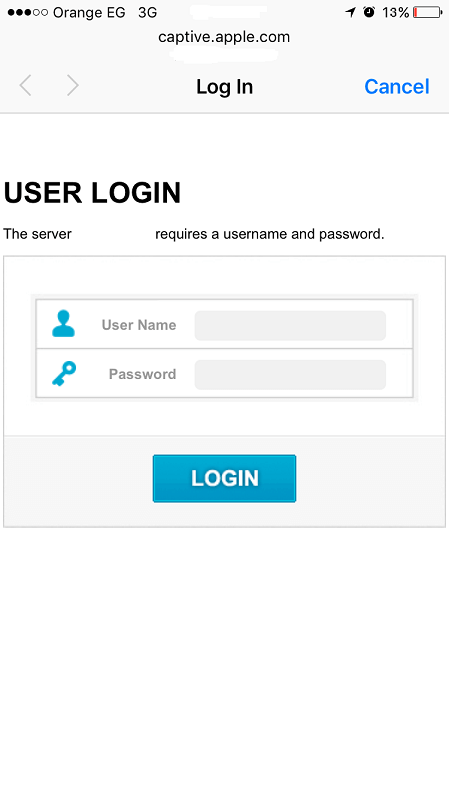
The white sign-in pop-up that appears after connecting is not full Safari. It is a system component called Captive Network Assistant, often shortened to CNA. CNA is a small, sandboxed browser view used only for captive portal sign-in.
Because it is sandboxed, it is separated from your Safari session data. It does not need access to your Safari cookies, your saved passwords, or your browsing history to do its job. Its role is limited to loading the network’s sign-in page and letting you complete the login.
Why Captive.apple.com Can Appear in Safari History
Most of the time, the captive portal check and the sign-in window stay inside CNA. You still can see captive.apple.com in Safari history if the flow is handed off into Safari. That happens when you tap an option that opens the page in Safari or when the network pushes a welcome page that continues loading after sign-in.
Some networks also keep forcing redirects longer than they should. When that happens, Safari can record the redirect chain even though you did not type the domain yourself. The result looks like a manual visit, but it is just the network sign-in flow leaving traces in the browser log.
Why captive.apple.com Keeps Looping or Reappearing
Repeated captive checks point to the network, not the phone. Public WiFi systems often time out sessions or recheck connectivity when your device sleeps or moves between access points. Each reconnection triggers the same validation step, which can make the domain appear repeatedly.
On a home network, repeated checks usually mean the router is acting like a captive portal. Guest network features, parental control filters, DNS-based blocking, and some security appliances can intercept web requests in a way that mimics a portal. The phone is reacting to what the network is serving.
Some networks bind login sessions to a device’s MAC address. iOS uses a private WiFi address for each network by default. If the router treats a different address as a new device, it may require you to complete the captive portal login again.
Why a VPN Can Block the WiFi Login Page
A common failure case is this: WiFi connects, but no login page appears and the internet does not work. An active VPN is a frequent cause because it changes how early traffic leaves the device. If the connectivity probe is tunneled through the VPN, the local network cannot intercept it and show the portal, so the sign-in step never triggers.

This looks like a dead connection because the network is still blocking normal access until sign in happens. iOS cannot complete the sign-in automatically if the portal never appears. Disabling the VPN long enough to sign in restores the normal portal flow.
Why Devices Perform Connectivity Checks
Captive portal detection is a standard operating system behavior. Android uses a Google-controlled connectivity check endpoint, and Windows uses a Microsoft-controlled connectivity test domain. The purpose is the same across platforms: confirm real internet access and detect when a login page is blocking traffic.
This context matters because it explains why a device contacts a vendor-owned domain on WiFi join. It is not a tracking mechanism, it is a network state check. Without it, users would be stuck guessing why apps fail on public WiFi.
How to Fix captive.apple.com Login Issues on iPhone
These steps are only for cases where you cannot get online because the portal does not appear, or you keep getting pushed back into sign-in even after logging in.
The goal is to force the network to present its login page in a normal browser context and remove blockers that prevent the captive check from being intercepted.
Each step changes behavior you can observe, so you can stop once the portal loads and the internet works.
- Open Settings → WiFi, tap the ⓘ icon next to the network name, and select the available login option if shown. Confirm the sign-in page appears instead of returning to the home screen.
- Turn off your VPN, disconnect from the WiFi network, then reconnect. Confirm the sign-in screen appears and completes without returning you to the portal.
- Open Safari and visit captive.apple.com directly while connected to the WiFi network. Confirm you are redirected to the network’s sign-in page rather than seeing a blank page.
- If the portal still does not appear, open Safari and visit neverssl.com. Confirm the network forces an HTTP login redirect and loads the login page.
- Repeated login prompts on the same hotel or office network usually point to MAC address handling. Open Settings → WiFi → ⓘ next to the network and temporarily disable Private WiFi Address for that network. Confirm the connection remains active without forcing you back into the portal.
- On a home WiFi network, restart the router and review guest network settings, splash pages, parental controls, router-level DNS filtering, or other security features that may be intercepting traffic. Confirm that no sign-in window appears after reconnecting.
- Persistent captive behavior on a home network can also result from a custom DNS server configured on the device itself. Open Settings → WiFi → ⓘ → Configure DNS and set it to Automatic. Confirm normal connectivity returns.
Bottom Line
captive.apple.com is best understood as a health check for internet access, not a destination. iOS needs a reliable way to tell the difference between connected to WiFi and connected to the internet, because those are different states. That distinction controls whether messaging, mail sync, and background updates behave normally or remain paused.
Once you view it as a connectivity gate detector, the pattern makes sense. It appears at WiFi join, it disappears when the network is truly online, and it becomes visible when the network forces sign-in or breaks the redirect flow. The fix is almost always about removing the blocker, not removing anything from iOS.
Related Guides